
Eating Disorder Therapy Services in Ottawa
We help you build real tools to restore a healthier relationship with food, your body, and yourself.
“We have the power to change the narrative of body shame in our lives. We are not bound to the tales of teasing, and criticism we were subjected to as children. The good news is we are the authors of our own lives.”
― Sonya Renee Taylor
Eating has become stressful and overwhelming recently. You may feel like no matter what you do, whether it’s trying to eat “healthy,” following strict rules, tracking calories or macros, or changing your eating patterns, it only seems to make things harder. Thoughts about food might feel constant, and you may find yourself talking or thinking about it more than you’d like.
You might notice that your energy is low, your mood fluctuates, or your body feels off in ways that make everyday life harder. Eating in social settings may feel stressful, so you might avoid meals with others. When you eat in ways that don’t fit your own rules, it can feel upsetting, and you might experience feelings of shame or frustration toward yourself. You may even be trying to compensate for your “mistake” by purging, using laxatives or exercising.
Maybe your concerns have nothing to do with your weight. Maybe it’s that most food gross you out. The textures, the smells, the colours, it all feel nauseating, which leaves you with a small, restrictive diet. You wish you could eat more things, but most foods feel disgusting. Or maybe you just forget to eat all together because you’re too busy or can’t seem to remember to eat, so you end up snacking whenever you can. Or maybe your eating struggles have more to do with your changing body and wanting your outside appearance to match how you feel on the inside. Others may say “just eat something”, but to you it feels like an impossible task.
How can you tell if you’re struggling with eating disorders?
People who experience eating disorders often experience the following symptoms, but they can differ from person to person. It is possible to cope with your stress more effectively if you work with an Eating Disorder Therapist. Sometimes a little help goes a long way.

What are the signs and symptoms of eating disorders?
Dieting or other attempts at weight loss or weight control
Change in Weight
Greater focus on “healthy” or “clean” eating
Bingeing
Purging or Laxative use
Body Shame and Anxiety
Rigid exercise patterns
Fatigue, dizziness, or fainting
Obsessive thoughts about food
Increased rigidity around social engagements and mealtimes

HOW CAN EATING DISORDER THERAPY IN OTTAWA HELP?
We want to help you work through and rise above your eating disorder
At Uprise Psychology & Wellness, we understand that eating and food-related challenges can significantly impact your life. Our goal is to support you in developing a healthier, more flexible relationship with eating, food, and your body, so you can focus on living a fulfilling life. We practice in a weight-inclusive, non-diet approach, emphasizing health and well-being over size or appearance.
Our psychologists and therapists have experience working with people who have experienced eating disorders such as anorexia nervosa, bulimia nervosa, binge eating disorder, avoidant/restrictive food intake disorder (ARFID), other specified feeding and eating disorders (OSFED; e.g., atypical anorexia, purging disorder), as well as those navigating disordered eating.
Many people come to therapy feeling distressed, anxious, or overwhelmed around food and their eating habits. Through therapy, people often gain tools to manage these challenges, reduce distress, and reconnect with everyday life, learning to eat in a way that feels sustainable and nourishing for them, without focusing on weight or appearance.
***Eating disorders are mental illnesses with severe implications on physical and mental health. Every 52 minutes, someone dies from a direct result of an eating disorder. For that reason, our practice takes client medical stability very seriously. Depending on the severity of their eating disorders, clients with suspected or confirmed eating disorders will be asked for a recent medical examination conforming with the Academy of Eating Disorders’ Medical Care Guidelines before meeting with a member of our staff and may be asked to be routinely monitored to ensure medical stability. ***
Our team is here to help!
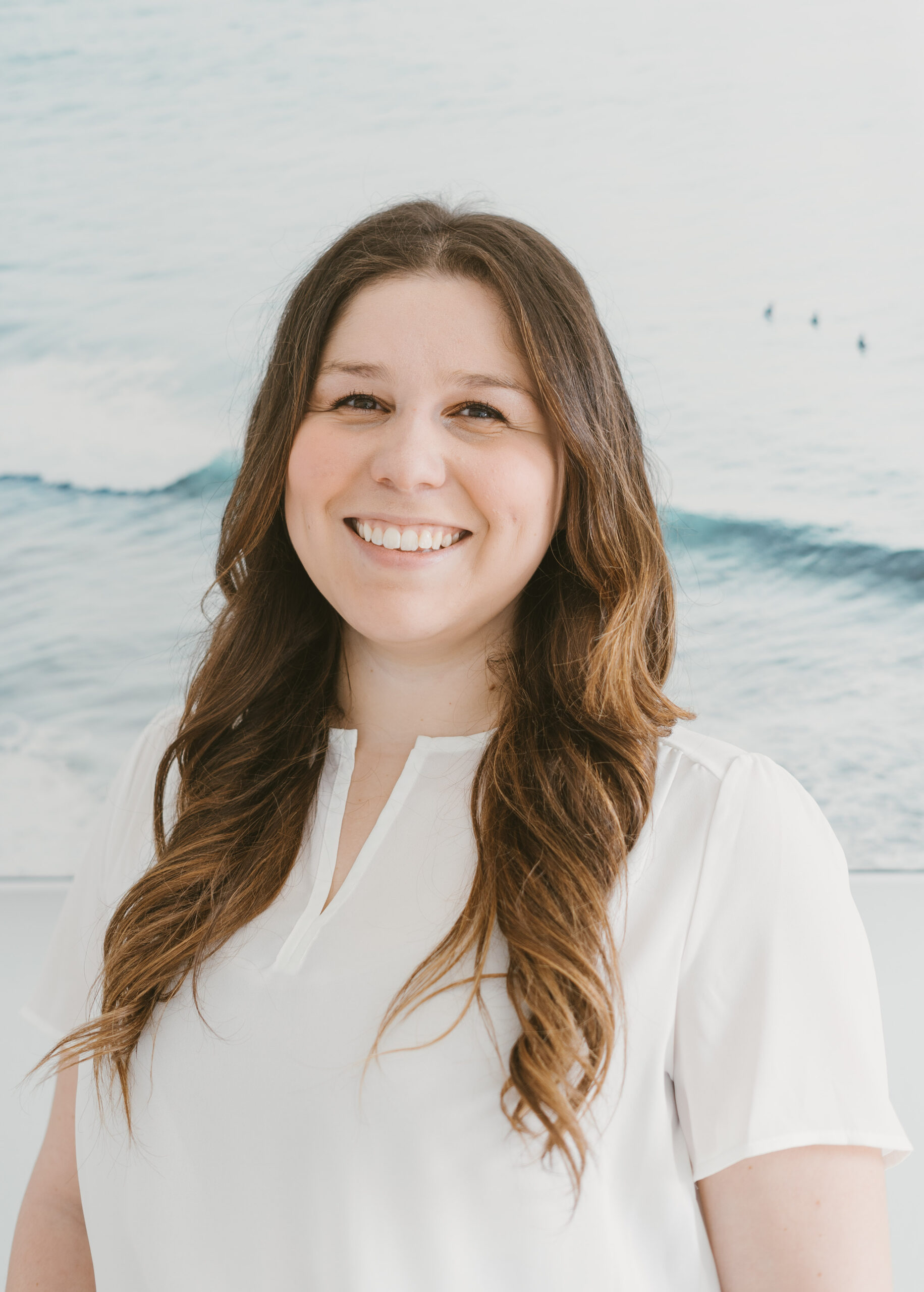
Melisa Arias-Valenzuela
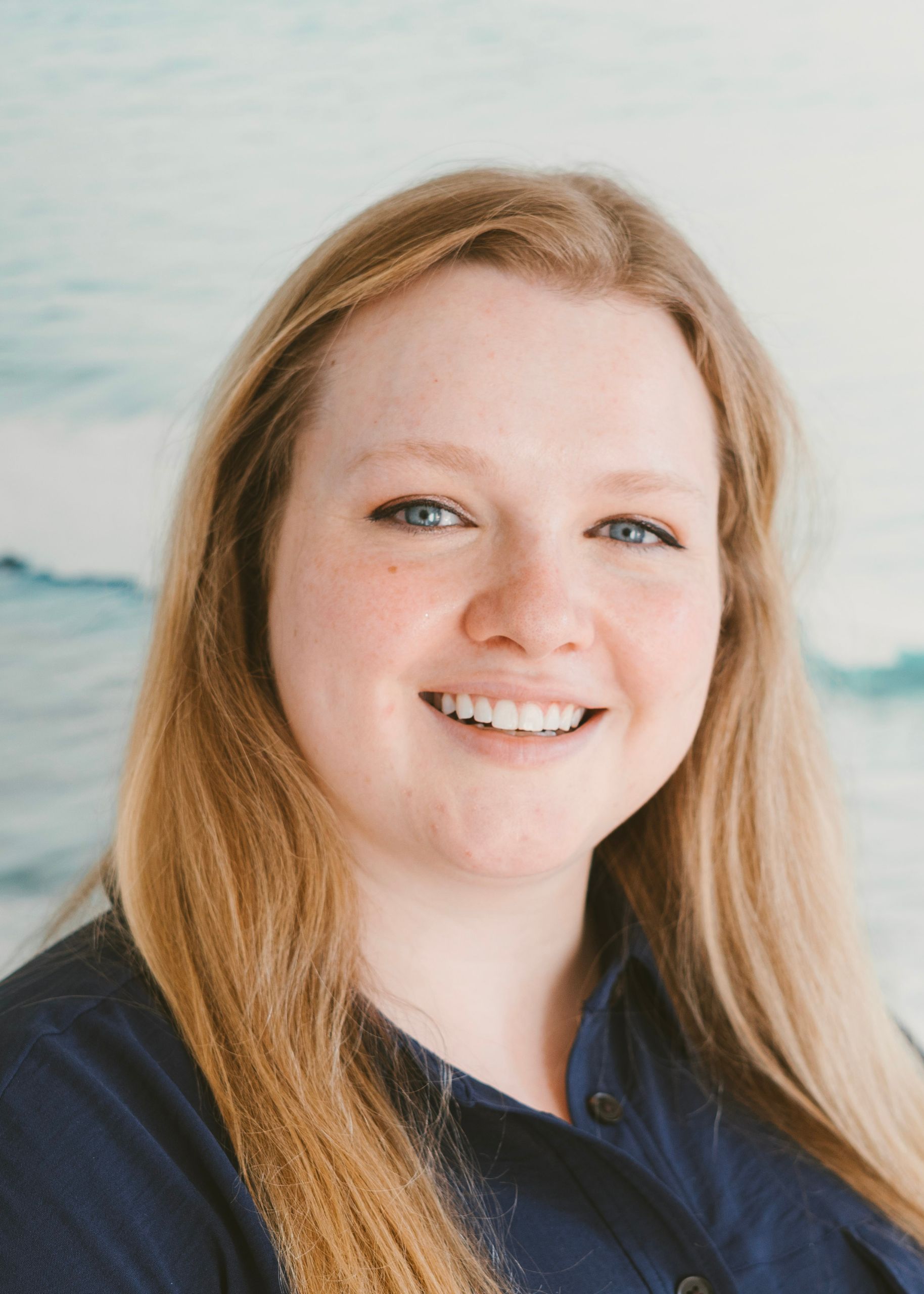
Julie Prud'homme

Kayla Spicer
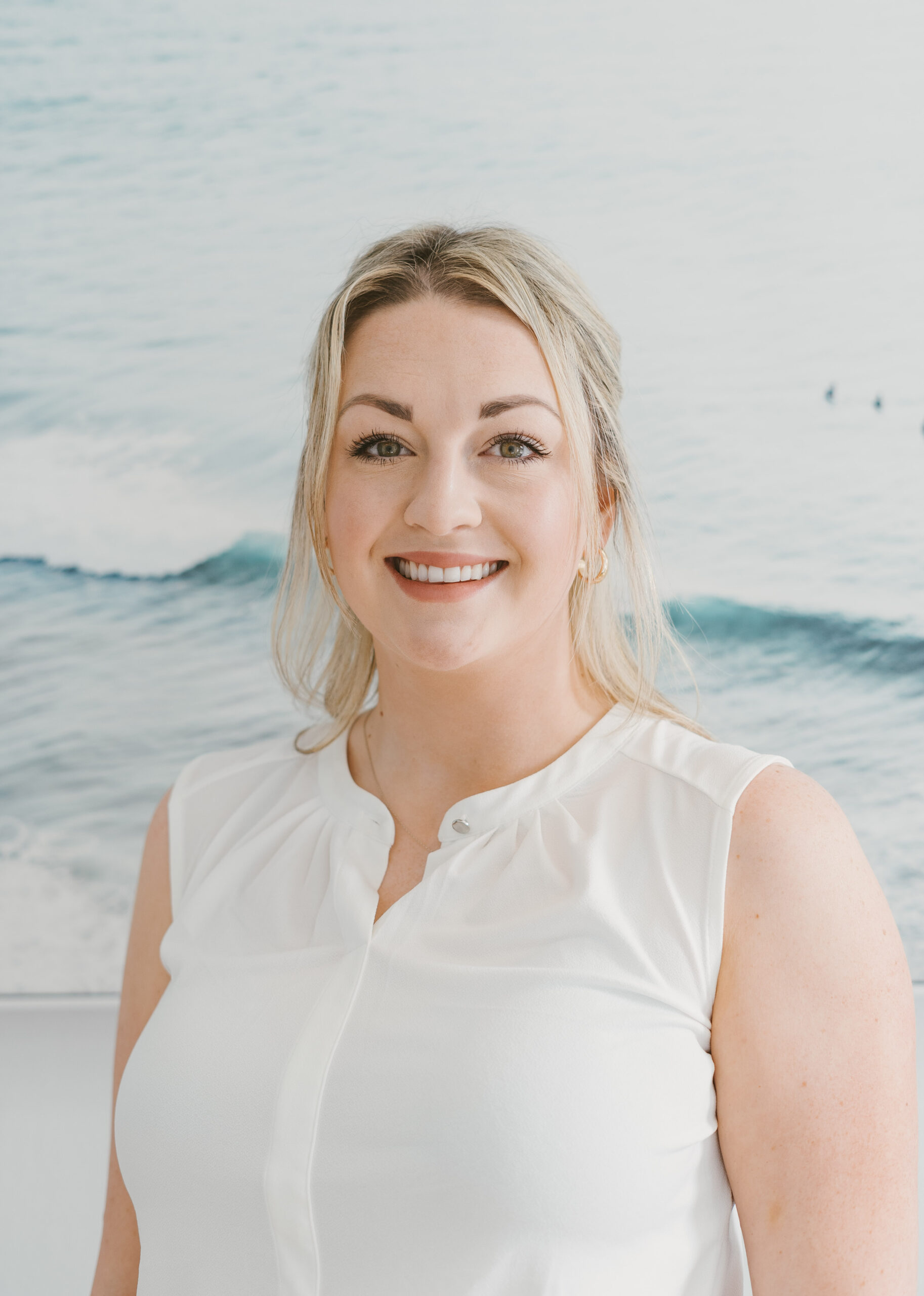
Mackenzie Bacon

Christie Lim
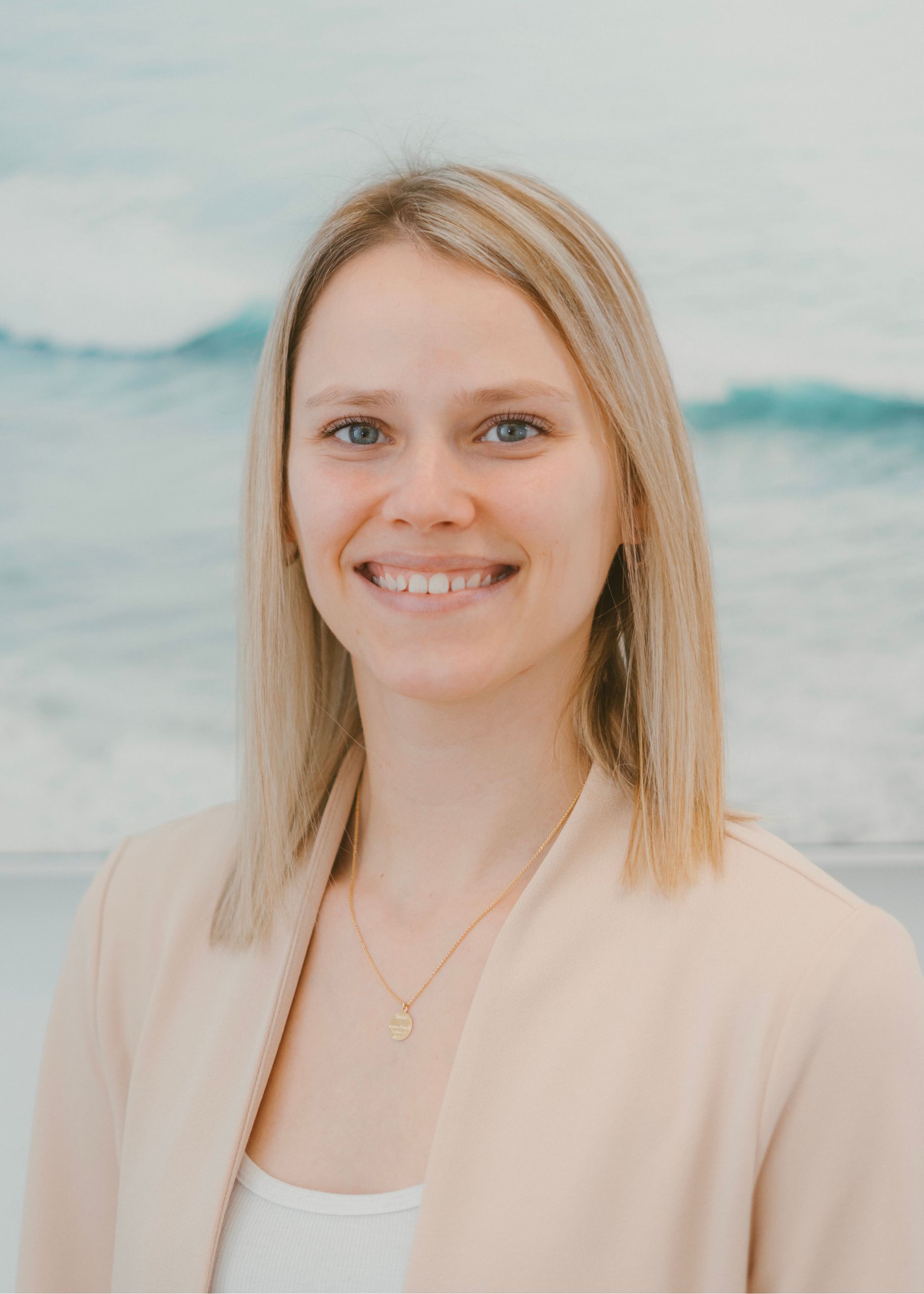
Karina Czechowski
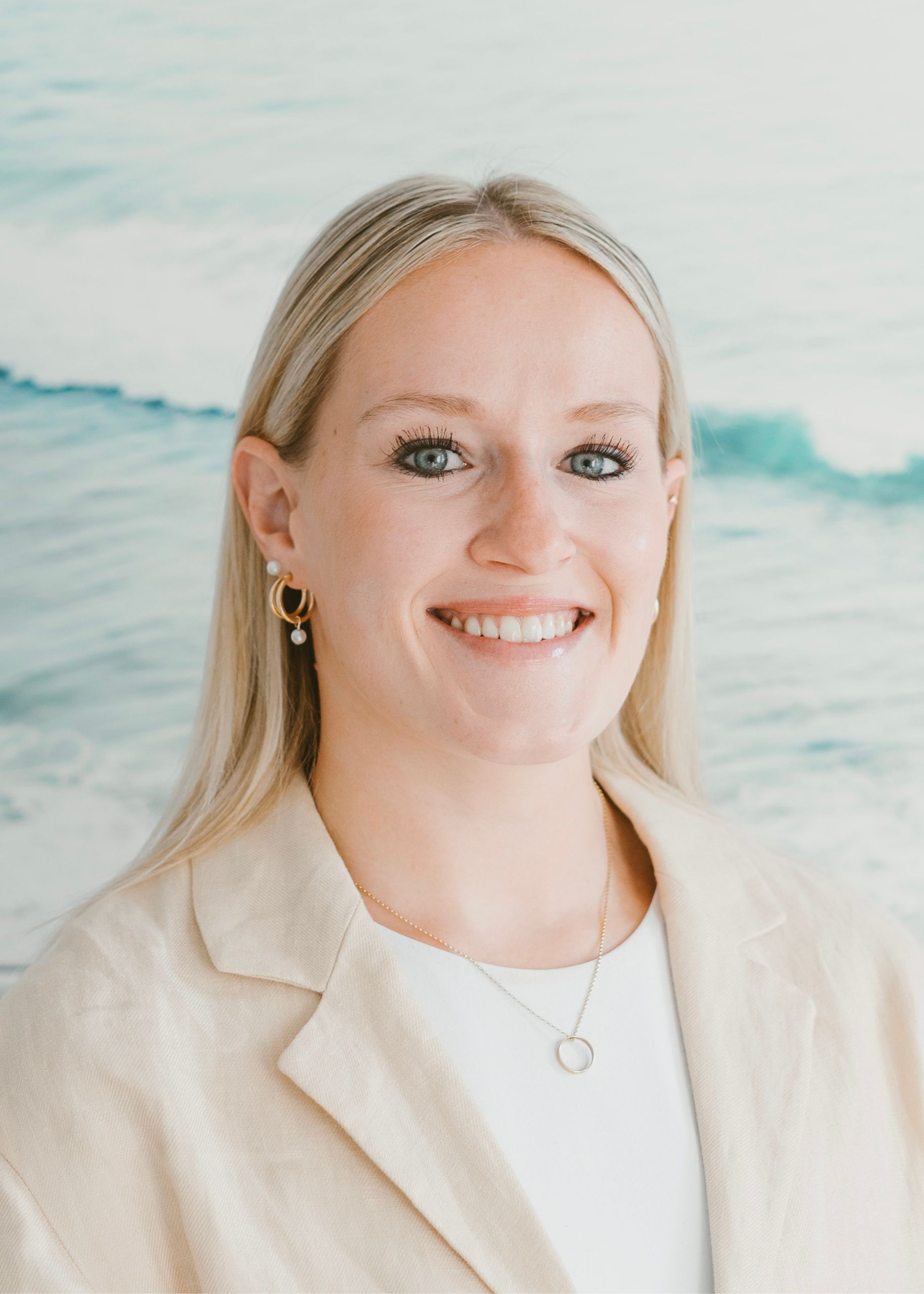
Natasza Tarnowski

Christine Peters

Riley Desmarais

Gregory Rokhlenko
Other Issues We Help With

Anxiety

Depression

Relationships

2SLGBTQI+
Frequently Asked Questions
What are the different types of eating disorders?
Eating disorders are serious mental health conditions characterized by abnormal eating habits and harmful thoughts about food, body weight, and shape. The most common types include:
Anorexia Nervosa, characterized by self-starvation, significantly low body weight, and intense fear of weight gain;
Bulimia Nervosa, involving cycles of binge eating followed by compensatory behaviors such as vomiting, laxative use, or excessive exercise;
Binge Eating Disorder (BED), marked by recurrent episodes of eating large amounts of food without purging behaviors;
Avoidant/Restrictive Food Intake Disorder (ARFID), characterized by avoidance of food due to sensory sensitivities or lack of interest in eating;
Other Specified Feeding or Eating Disorders (OSFED), which capture clinically significant disorders that don’t fit the above categories, such as atypical anorexia or night eating syndrome. These disorders can affect people of all ages, genders, and body types, and have serious physical and psychological consequences if left untreated.
What does weight-inclusive therapy mean?
Weight-inclusive therapy is an approach that does not focus on weight loss or dieting, and it does not judge you based on your body. Instead, the focus is on supporting health, balance, and well-being. This approach also recognizes the powerful impact of diet culture, weight bias, and discrimination factors that can contribute to the development of eating disorders and body-related distress. In therapy, we explore these societal pressures alongside personal experiences, helping you develop a flexible and sustainable relationship with food, enjoy movement that feels good, and cultivate self-compassion for your body, all without tying your worth or success to a number on the scale.
How are eating disorders treated?
Eating disorders are treated using evidence-based approaches tailored to each person’s unique needs and experiences. At Uprise Psychology & Wellness, we often use approaches like CBT-E (Enhanced Cognitive Behavioural Therapy for Eating Disorders) and DBT (Dialectical Behaviour Therapy), depending on the individual’s presentation and goals.
Treatment always prioritizes your safety and medical stability. For some clients, especially those with higher support needs, treatment may also include collaboration with registered dietitians who specialize in eating disorders and physicians, to monitor health and ensure nutritional and medical needs are met.
All treatment is delivered in a weight-inclusive, non-diet framework, focusing on supporting a flexible and sustainable relationship with food, improving overall well-being, and reducing distress around eating and body image. The goal is to help you regain balance and confidence in eating and in daily life without focusing on weight loss or appearance.
Do I have to be a certain size or weight to get help?
No. Eating and body-related challenges affect people of all sizes, shapes, and weights. You don’t need to fit a particular category to benefit from therapy. We focus on supporting your overall well-being, relationship with food, and daily functioning, rather than your body size. Our goal is to help you feel more at ease in your body and with eating, no matter what your size is.
Is therapy only for people with diagnosed eating disorders?
No. Therapy is for anyone experiencing challenges with food, eating, or body image, even if you don’t have a formal diagnosis. You might be struggling with restrictive habits, overeating, anxiety around meals, negative body thoughts, or other patterns that interfere with your quality of life. We help people in all these situations learn practical coping strategies, reduce distress, and build a more peaceful, sustainable relationship with food and their body.
READY TO MAKE THAT FIRST STEP?
Complete the form below and our administrator will contact you shortly.